
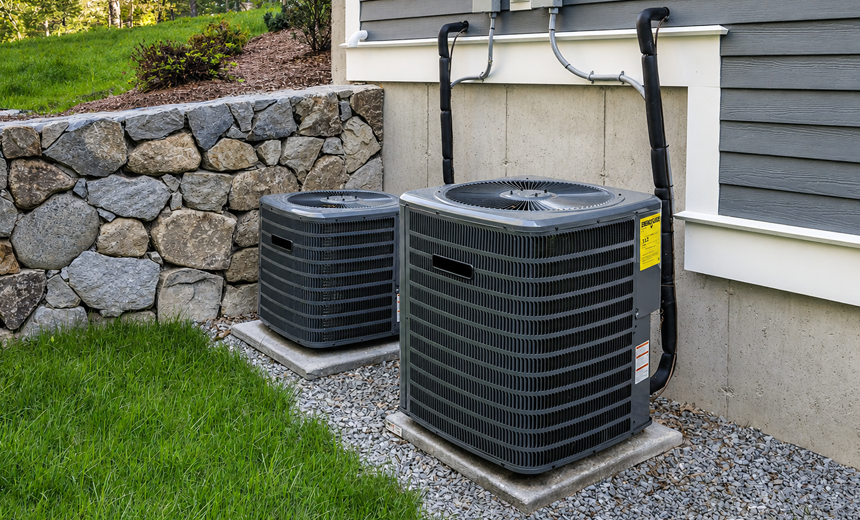
A heating and cooling system can become a costly worry when rooms feel uneven, bills rise, or repairs keep returning. Many homeowners struggle to compare a heat pump with a furnace and central air conditioner. They may wonder which choice fits their home, budget, and comfort needs. This heat pump vs HVAC system decision requires more than checking one price. Home size, duct condition, fuel type, equipment age, and local weather all matter. SP Heating & Air helps homeowners review those details before recommending repair or replacement.
We provide heating, cooling, maintenance, and replacement services across Acworth and nearby communities. When a heat pump starts losing heating power or just isn’t keeping up, that’s usually a sign something specific is off — and figuring out what takes an eye trained for it. That’s where heat pump repair in Acworth GA comes in. Below, we’ll walk through how these systems work, where each type makes sense, and what to check before deciding on a change.
How Heat Pumps and Traditional Systems Work
A heat pump moves heat instead of creating it through fuel combustion. During summer, it pulls heat out of the house. Come winter, it runs in reverse, pulling warmth in from outside. One unit, both jobs—heating and cooling covered by the same system. A traditional setup looks different. Those core differences between heat pumps and HVAC systems ripple into everything else — energy bills, what equipment you need, and how repairs get handled down the line.
Compared to an air conditioner, a heat pump has a reversing valve and provides winter heating. Under the hood, though, both rely on the same core components: refrigerant, coils, fans, and a compressor, all doing the cooling work. This distinction is worth understanding before AC installation in Acworth GA, since many homeowners find themselves weighing a straightforward central air setup against a heat pump that handles both sides of the year.
A Clear Side-by-Side System Comparison
Homeowners need an HVAC system comparison guide that connects equipment features with daily use. The table compares common system traits. However, every home needs an evaluation before a final choice.
| Feature | Heat Pump | Furnace and Central AC |
| Heating method | Transfers heat from outdoor air | Creates heat with gas or electricity |
| Cooling method | Reverses operation to remove indoor heat | Uses a separate central air conditioner |
| Main equipment | One outdoor unit with indoor parts | Furnace plus outdoor cooling unit |
| Fuel needs | Mainly electricity | Electricity plus gas, or electricity alone |
| Year-round role | Heats and cools | Each unit serves a separate season |
| Key service needs | Refrigerant, coils, reversing valve, airflow | Furnace safety parts, burners, AC refrigerant, airflow |
This view explains common home heating and cooling options.
Energy Use, Comfort, and Household Goals
Energy use often guides the final system choice. Heat pumps transfer heat so that they may use less energy than electric resistance heating. ENERGY STAR notes that one heat pump can provide both heating and cooling. However, savings depend on existing equipment, utility rates, home design, and installation quality. Modern HVAC system benefits may include steady comfort, lower energy use, and year-round performance. During HVAC system repair in Canton GA, a technician can check current performance and explain whether continued repairs remain practical. Homeowners should review these points:
- Heat pump benefits for homes may include year-round use, steady comfort, and lower energy use.
- Energy efficient heating and cooling systems work best when equipment size and airflow match the home.
- Improving home energy efficiency may require sealed ducts, better insulation, and correct thermostat settings.
These efficient home comfort solutions should improve comfort without causing weak airflow or large temperature swings. Therefore, equipment choice should support the whole home, not one room.
Home Conditions That Shape the Best Choice
The best system must fit the home. Therefore, choosing the right heating and cooling system starts with a careful review of the building and current equipment.
Ductwork and Available Space
Existing ducts may support either system when they are sealed and sized correctly. However, damaged or poorly sized ducts can waste energy and reduce comfort. Available space matters because some homes have tight indoor or outdoor areas. These details can limit the heating and cooling upgrade options that fit the home.
Fuel and Electrical Needs
A furnace may depend on natural gas, while a heat pump depends on electrical service. Therefore, the home’s wiring and panel capacity need to be reviewed.
Important heat pump installation considerations include system size, airflow, insulation, windows, local weather, and controls. Our team evaluates home layout and airflow during installation planning. This review helps avoid equipment that is too large or too small.
Costs, Maintenance, and Repair Needs
Purchase price matters, but it is only one part of ownership. Operating cost, service needs, repair history, and expected use deserve attention. Homeowners comparing HVAC replacement options should review:
- Installation work, electrical changes, duct repairs, and equipment size
- Fuel prices, electric rates, seasonal use, and efficiency ratings
- Warranty terms, maintenance needs, repair access, and expected comfort
Because a heat pump works in every season, it may collect more yearly operating hours. A furnace and air conditioner divide those hours across two units. However, both setups need filter changes, coil care, airflow checks, and control testing. Maintaining your HVAC system for better performance can reduce strain and reveal problems early. The company offers seasonal tune-ups, heat pump repair, furnace service, and AC maintenance.
A Step-by-Step Repair or Replacement Check
Homeowners can use these steps to decide whether repair or replacement deserves closer review.
- Review system performance. Common signs you need a new heating system include weak airflow, uneven temperatures, unusual sounds, and rising energy use.
- Check the repair history. Frequent failures may show that another repair will not provide lasting value.
- Consider equipment age. Homeowners asking when to replace an HVAC system should review age, repair cost, comfort, and part availability.
- Request a full diagnosis. Replacing an old HVAC systemshould follow testing rather than age alone.
- Compare both options. When a heat pump loses performance, professional heat pump repair in Acworth GA can show whether repair remains practical or replacement planning makes more sense.
A safe, reliable system may still be worth repairing. However, repeated failures may support a planned upgrade.
Matching the Upgrade to the Existing Home
A good upgrade plan connects new equipment with the home’s needs. Key furnace replacement considerations include equipment size, fuel type, duct condition, airflow, electrical needs, and available space. Residential HVAC upgradesmay include a heat pump, AC installation, furnace replacement, thermostat changes, or airflow repairs. However, the recommended service should match the diagnosed problem. SP Heating & Air has operated as a registered Georgia LLC since 2010 and brings more than 20 years of hands-on HVAC experience. Trane’s dealer listing identifies the company as a Trane Comfort Specialist and lists NATE Certified and Diagnostics among its dealer features.
The home’s ductwork, layout, insulation, and current equipment should guide the upgrade. During furnace replacement in Acworth GA, these details help determine the right size and installation needs. In nearby communities, HVAC system repair may restore equipment that does not need replacement. Therefore, a full inspection should guide the choice instead of an equipment trend.
Making a Choice That Supports Long-Term Comfort
The right choice depends on the home, current system, budget, and comfort goals. Heat pumps may suit homeowners seeking one electric system for both seasons. A furnace and central AC may fit homes with gas service or a newer cooling unit. A useful heating system replacement guide should compare repair history, energy use, equipment age, duct condition, and installation needs.
Homeowners should avoid replacing working parts without a clear reason. They should avoid keeping unsafe or unreliable equipment because replacement feels difficult. Professional heat pump repair in Acworth GA can confirm whether a failing unit needs repair or wider planning. Careful testing supports safe comfort, steady airflow, and fewer surprise problems. Call SP Heating & Air at (678) 697-2305 or visit 5195 Proctor Landing NW, Acworth, GA 30101 for local heating and cooling guidance, testing, repairs, and replacement planning for homeowners today.
Frequently Asked Questions
What is the difference between a heat pump and a traditional HVAC system?
A heat pump transfers heat and can warm or cool a home. A traditional system often uses a furnace for heat and central air for cooling. Therefore, the heat pump may replace two seasonal units with one system. Fuel source, ductwork, home size, and climate still shape the best choice.
Are heat pumps more energy efficient than traditional systems?
Heat pumps can be highly efficient because they move heat rather than create it through resistance or combustion. However, savings vary by equipment, weather, utility rates, and installation quality. A properly sized unit with sound ductwork usually performs better than one installed without a complete home review.
How do homeowners choose the right HVAC system?
Homeowners should compare home size, insulation, duct condition, fuel access, electrical capacity, comfort issues, and repair history. They should review installation and operating costs together. A trained technician can test airflow and equipment performance before recommending heating and cooling upgradechoices that fit the home.
When should an HVAC system be replaced?
Replacement is worth considering when equipment needs frequent repairs, struggles to control temperature, or uses more energy than expected. Age matters, but it should not stand alone. The Department of Energy advises considering newer equipment when a heating or cooling system is more than 15 years old.
What are the benefits of upgrading an old HVAC system?
New equipment may improve temperature control, moisture control, energy use, and sound levels when correctly selected and installed. However, results depend on sizing and airflow. Homeowners should compare contemporary HVAC system pros with repair costs, duct condition, insulation needs, and the remaining value of current equipment.
How long does an HVAC system typically last?
System life varies because equipment type, use, climate, installation, and maintenance differ. Many homeowners review replacement near the 15-year mark, especially when repair needs increase. However, some units fail sooner or run longer. A professional inspection gives more useful guidance than age alone for each home.
Are heat pumps suitable for all homes?
Heat pumps work in many homes and climates, but no system fits every property. Ductwork, electrical service, insulation, equipment space, and heating demand need review. Some homes may need duct repairs or electrical work. Therefore, a load and airflow evaluation should come before any equipment decision.
What factors affect HVAC replacement decisions?
Key factors include system age, repair frequency, energy use, comfort, safety, equipment size, duct condition, fuel access, and installation cost. Homeowners should compare long-term operating needs with the current system’s condition. This wider review makes furnace replacement concerns more useful and reduces rushed replacement decisions.
How can a new HVAC system improve home comfort?
A correctly selected system may provide steadier temperatures, better moisture control, quieter operation, and stronger airflow. However, equipment alone cannot fix every problem. Leaky ducts, weak insulation, blocked vents, or poor sizing may limit results. A complete home review helps the upgrade deliver the expected comfort.
Should I repair or replace my current HVAC system?
Repair may fit a system with a clear, affordable problem and useful service life remaining. Replacement may be right for equipment with repeat failures, poor comfort, high energy use, or serious safety concerns. A full diagnosis should compare repair cost, system condition, and expected performance before work begins.
Which HVAC system is better for homes in Acworth, Georgia?
The better choice depends on the home’s ductwork, fuel access, electrical capacity, insulation, equipment age, and comfort needs. A heat pump may suit some Acworth homes, while a furnace and central AC may fit others. A professional home evaluation can show which option is more practical.
Does you help Acworth homeowners compare repair and replacement options?
Yes. We review system performance, airflow, home layout, equipment condition, repair history, and comfort concerns before discussing options. This process helps Acworth homeowners understand whether a repair may still offer value or whether replacement planning deserves closer attention for long-term comfort and cost control.